Why do authors use tattoos, scars, and brands to tell stories?
Why do authors mark their characters with tattoos, brands, and scars? Because a mark can tell a story before a character ever speaks. Throughout literature, writers have used the body as a kind of text—revealing identity, belonging, rebellion, punishment, trauma, and transformation. Some characters choose their marks; others have marks forced upon them. In either case, what appears on the body often reveals something deeper about the character’s relationship with society and with themselves.
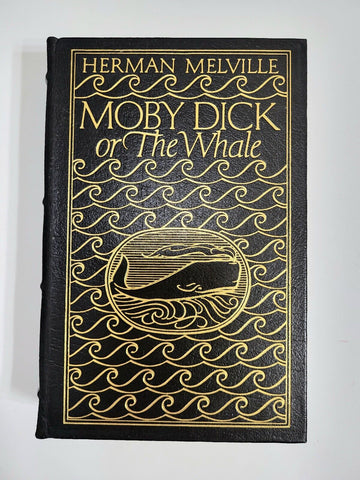
From Queequeg’s tattooed body in Moby-Dick and the living illustrations of Ray Bradbury’s The Illustrated Man to the scarlet letter imposed upon Hester Prynne and the branding of enslaved people in The Book of Negroes, physical marks become powerful storytelling devices. Scars can preserve the memory of violence, tattoos can proclaim identity or independence, and brands can reduce a human being to a label or possession.
A mark makes an invisible story visible. Marked Characters explores how authors use tattoos, brands, scars, and other markings to turn the human body itself into part of the narrative—and asks what those marks tell us about identity, freedom, belonging, and the power society has to define us.
Speaking Engagement Now Available
Contact Karen to bring Marked Characters to your university, library, museum, literary event, or community organization.
Download the Speaking Engagement PDF
Download the Recommended Reading List